6 Units | Montrose | Sub-5% Cap | 1031 Exchange to DST Portfolio
Considering selling? Get a complimentary, confidential valuation.
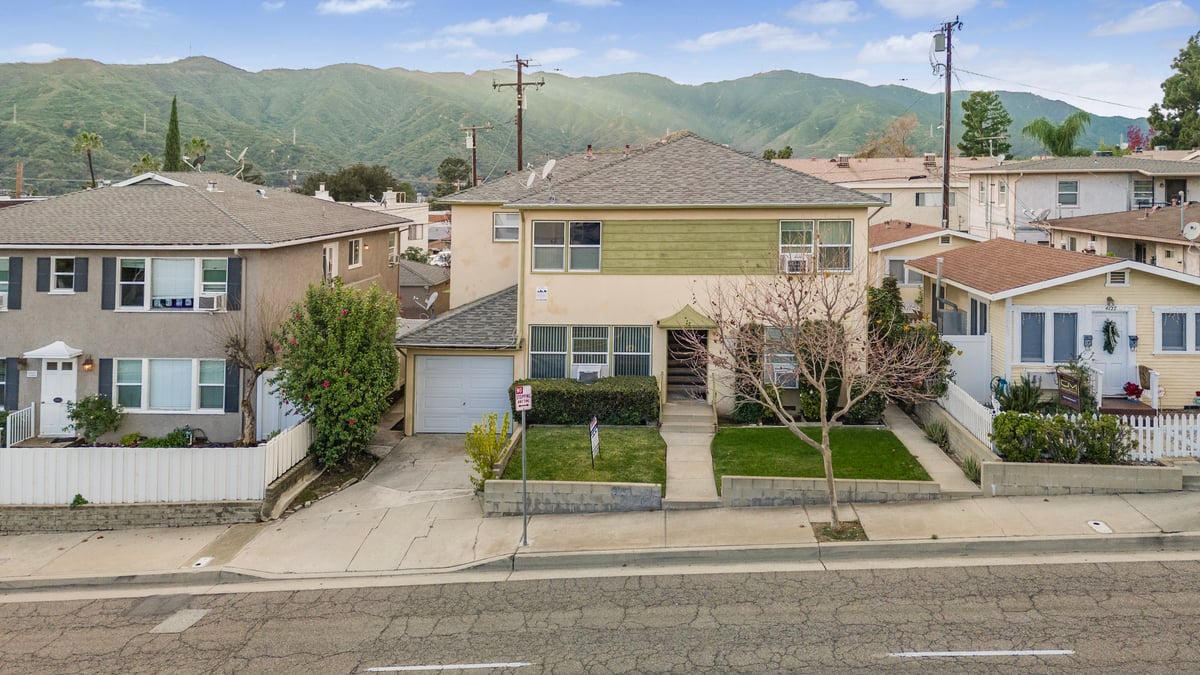
The LAAA Team is proud to announce the successful closing of 4123 Ocean View Blvd, a 6-unit apartment building in Montrose, which sold for $1,685,000.
The seller had owned this property for nearly 30 years. The original plan was to pass it down to his kids. Then LA County rolled out the Rent Stabilization and Tenant Protections Ordinance, expanding rent control into unincorporated areas like Montrose for the first time. Rent growth became capped. Expenses kept rising. Two of the six units were vacant. The building, constructed in 1948, was fully depreciated with zero tax shelter remaining. The math no longer worked the way it once did.
He decided it was time to move on, but only with someone he trusted to handle it the right way.
We were brought in through a referral from a long-term client. This was someone who had heard us say more than once that it was not the right time to sell. No listing. No commission. Just honest advice. That kind of track record is what led to the introduction.
We delivered the BOV in late December and listed the property in early January at $1,875,000. Given the RSTPO overlay, the vacancy, and the elevated interest rate environment, we knew the buyer pool would be selective. The property hit the open market on January 15 and we had an accepted offer by January 23. Eight days. The buyer was a seasoned local investor with deep roots in this submarket and the experience to underwrite a 1948 building with confidence. The final contract price came in at $1,685,000, reflecting a sub-5% cap rate in a market where most buyers are underwriting to 5.5% or higher.
The seller wanted to complete a 1031 exchange into Delaware Statutory Trusts for a fully passive investment after three decades of active landlording. Most sellers hear about the 45-day identification deadline and the 180-day close deadline and assume they will be scrambling after their building sells. We do not work that way. We start the exchange process during escrow, not after closing.
Within the first weeks of escrow, we connected the seller with a DST advisory team and his qualified intermediary. Morgan Wetmore led the day-to-day coordination across all parties. While we were working through inspections, insurance, and lender requirements on the buy side, the seller was simultaneously reviewing DST offerings, comparing sponsors, and building his replacement portfolio with his advisors.
Midway through escrow, an electrical compliance issue surfaced. LA County required panel upgrades involving six sub-panels across the property, which triggered a permitting process and a formal inspection. The issue put the transaction at risk, and we negotiated an extension of time to get it resolved. The seller's electrician completed the work, submitted load calculations through the county permit portal, and LA County DPW approved the electrical calculations on March 19.
Here is the part most people miss: the extension actually worked in the seller's favor on the exchange side. It gave him additional weeks to finalize his DST selections, vet sponsors, and lock in his portfolio before escrow closed and the IRS clock started.
We represented both the buyer and the seller on this transaction. That meant Morgan, Glen, and Filip were responsible for keeping every party aligned: the 1031 accommodator, DST brokers, both management companies, the insurance carrier, and escrow.
The deal closed on March 31, 2026, wrapping up Q1. Total escrow from accepted offer to close was approximately 67 days. By closing day, the seller had already selected all four DST investments. His replacement portfolio was locked in. The 45-day identification period that concerns most exchangers was a formality. That is the difference between planning the exchange from day one of escrow versus scrambling after closing.
For the previous 30 years, owning this building meant fielding tenant calls, coordinating maintenance, managing vacancy, and watching expenses rise against capped rents. The seller exchanged his entire equity position into a diversified portfolio of four Delaware Statutory Trusts across three asset classes and four states. Monthly cash flow went from $2,891 to $7,123, a 146% increase. $600,010 in capital gains taxes were deferred through the 1031 exchange. The portfolio is 100% passive with no tenants, no maintenance calls, and no vacancy risk. Non-recourse debt replaced a personal guarantee. New depreciation schedules on every DST asset replaced a fully depreciated building. Geographic diversification across South Carolina, Ohio, Texas, and New Mexico replaced 100% concentration in a single Montrose property.
For apartment building owners sitting on fully depreciated assets in rent-controlled jurisdictions, this deal illustrates a path that more sellers are considering. Rather than hold a building that was no longer penciling, he used the 1031 exchange to redeploy his equity into a diversified, passive portfolio with higher cash flow, fresh depreciation, and zero management obligations.