Culver City Council signs off of new hotel on Jefferson Boulevard

The 175-room hotel would replace a strip mall

In a 4-0-1 vote, the Culver City Council has approved plans from Sandstone Properties to redevelop a strip mall near the interchange of the 405 and 90 freeways with a boutique hotel.

The project, named "The Jeff," a strip mall at the intersection of Jefferson Boulevard and Slauson Avenue.  The proposed hotel, called The Jeff, would consist of a five-story building featuring 175 guest rooms, amenities, and restaurant space above a two-level, 138-car subterranean parking garage.

Nakada Partners is designing the project, which would have an amorphous exterior of glass and metal facing Jefferson and Slauson, and a softer exterior of landscaped terraces toward the Sunkist Park neighborhood to the north.  The guest room would have an O-shaped footprint, wrapping a central courtyard area that is described in a design narrative as an "oculus."  The top floor of the building would include a pool deck and a rooftop bar.

According an environmental study conducted for the project, construction of The Jeff is expected to occur over a 30-month period beginning in the first quarter of 2022 and concluding in 2024.  Springboard Hospitality - which runs the Chamberlain West Hollywood and Grafton on Sunset - is expected to operate The Jeff upon opening, according to a project website.

The approval of the hotel came against the objection of two appellants, labor union UNITE HERE Local 11 and the Supporters Alliance for Environmental Responsibility, an El Monte-based entity affiliated with Laborers International Union of North America.  Both appellants argued that the mitigated negative declaration conducted for the project failed to consider potential impacts to air quality, noise, and greenhouse gas emissions.

Multiple callers into the Council hearing on July 12, identifying themselves as residents of the surrounding neighborhood, expressed opposition to the project, citing a need for housing in lieu of hotel rooms, while also expressing concerns about potential impacts to traffic congestion, the availability of parking, and traffic congestion.

While the Council echoed a desire to bring more housing to the Sunkist neighborhood - specifically deed-restricted affordable housing - Vice Mayor Daniel Lee also acknowledged the potential hazards of placing residential units in close proximity to the nearby freeway interchange.  Lee ultimately abstained from the vote to deny the two appeals and adopt the findings of the environmental study.

Sandstone Properties is developing several large mixed-use and multifamily residential developments in the Los Angeles area, including a proposed hotel tower in Pico-Union and a high-rise apartment complex slated for the Warner Center community.  The company broke ground last year on a five-story residential building in Westchester, not far from the site of the future Culver City hotel.

Glen Scher
Car wash-killing development moves forward in Pico-Robertson

The mixed-use project would be built over a two-year period

An initial study published by the Los Angeles Department of City Planning sheds new light on plans to redevelop a busy car wash in Pico-Robertson with a mixed-use apartment building.

Concord Capital Partners, a Beverly Hills-based real estate investment firm, is seeking approvals to raze "The Wash" at 9500 W. Pico Boulevard, clearing the way for the construction of a new six-story edifice featuring 108 studio, one-, two-, and three-bedroom apartments with 3,250 square feet of retail space and parking for 134 vehicles.

Through the inclusion of 13 deed-restricted affordable units, Concord has requested entitlements for a larger building with more housing than would otherwise be allowed by local zoning rules.

Culver City-based Abramson Architects is designing 9500 Pico, which is portrayed in renderings as a contemporary podium-type building clad in metal and plaster.  Plans call for g-level setbacks along Pico Boulevard to create a publicly-accessible courtyard and a plaza, while residents would also have access to a private rooftop deck.

Pending approvals by the City of Los Angeles, construction of the apartment complex is expected to occur over a 24-month period.  For the purpose of analysis, the environmental study forecasts a completion date in 2023.

The mixed-use project is the latest in a series of multifamily housing projects planned for the Pico-Robertson neighborhood, including smaller apartment buildings at 1400 Reeves Street and 1444 Rexford Drive.  The site also sits two blocks west of a proposed development at 9224 W. Pico Boulevard that would include housing for special needs adults over ground-floor commercial space.

Glen Scher
How Apartments Have Prevailed During the Pandemic

IMG's Karlin Conklin on why real estate investors have chosen multifamily as a best-bet asset class.

Earlier this year, a leading equity crowdfunding site conducted what’s believed to be the largest-ever survey of individual real estate investors in order to gauge their appetite for investing in a pandemic. Despite the economic volatility, nearly all of the 1,240 investors surveyed (96 percent) plan to add commercial real estate to their portfolios in 2021.

Notably, a whopping 90 percent said they were likely to invest in multifamily. For comparison, less than half of investors expressed interest in office investments (47 percent), and even fewer were likely to consider retail (25 percent).

Given the challenges of the last 18 months, how has investor confidence in rental housing remained so strong? Multifamily was certainly not immune to the impacts of COVID-19, but it does have several strategic advantages.

CRITICAL PIECE OF INFRASTRUCTURE

The renter demographic was particularly vulnerable to the COVID-19 crisis. Congress moved quickly at the start of the pandemic to establish expanded unemployment benefits, stimulus checks, and nationwide eviction moratoriums in an effort to ensure that America’s renters didn’t lose their homes.

Investors took notice that the government was investing in housing as an integral part of a pandemic recovery strategy, unlike any other CRE asset class. Maintaining an affordable housing supply is a vital component of the American economy. As with any type of commercial real estate, multifamily investors take on risk. But historically, they’ve made a fair return on their investment. The ability to make a positive impact in the infrastructure of local neighborhoods and economies continues to win investors.

HANDS-ON VALUE CREATION

Another winning quality is multifamily’s relatively low barrier to entry. Many apartment investors get their start in real estate purchasing a single-family home or duplex. New owners can then add value to their property through their time, expertise, and hard work. This “sweat equity” grows over time and results in a larger portfolio, increased returns and greater value appreciation.

But let’s be honest: Being a landlord isn’t easy in a good year. The pandemic ignited a boom in a sweat equity strategy known as multifamily syndication, where investors pool their money to purchase apartment communities, and a sponsor manages the property’s rehab business plan and oversees daily operations.

FAVORABLE LEVERAGE/DEBT

Multifamily benefits from the most favorable financing treatment of all real estate asset classes, oftentimes receiving the most competitive interest rates and longest amortization periods.

This favorable environment is led by agency lenders, which were originally created to support housing stock. Freddie Mac was chartered by Congress in 1970 to keep money flowing to mortgage lenders in support of homeownership and rental housing. It, along with Fannie Mae, has the mission is to provide liquidity, stability and affordability to the U.S. housing market.

When the pandemic hit, Congress recognized the role it and the agencies could play to enhance housing stability and keep renters in their homes. A critical component of the CARES act of 2020 helped multifamily borrowers with agency loans by providing a forbearance period at no penalty. Loan payments could be deferred by up to a year while property rents stabilized post-pandemic. Because of this treatment in the CARES act, the multifamily industry weathered the worst of the pandemic.

History tells us that during recessions, multifamily housing production contracts moderately, rent declines are short lived, and vacancies only increase briefly and by modest amounts. Recent headlines reflect the same resiliency in these metrics in a pandemic slowdown. Looking ahead, investors will continue to inject funds into apartment assets as a winning bet to yield successful returns over the long-term.

Karlin Conklin is principal & co-president of Investors Management Group Inc.

Glen Scher
Apartment Demand Hits Record High In Q2

Apartment demand has been bolstered by rising employment growth, which has spurred household formation.

Demand for apartments has officially hit unprecedented levels, according to new data from RealPage, with Dallas-Fort Worth leading the way among individual cities 

The number of occupied apartments in the 150 biggest US metros increased by 219,909 units in the second quarter, the largest quarterly increase since RealPage began monitoring that figure in the early 1990s. In contrast, demand for apartments in the first quarter of 2020 was a mere 33,000 units.

Glen Scher
Seven-story, 270-unit development topped out at 6200 Sunset Boulevard

Hanover Company is building a mixed-use complex in Hollywood

A half-year after we last dropped by, construction has reached the top floor at the site of a mixed-use development from Hanover Company in Hollywood.

Hanover Hollywood, which replaced a car wash and several retail buildings at 6200 Sunset Boulevard, consists of a seven-story structure that will feature 270 studio, one-, and two-bedroom apartments above 12,000 square feet of ground-floor retail and basement parking for 361 vehicles.

Steinberg Hart is designing the project, which is a podium-type building that will be clad in a mix of plaster, metal, and stone tile.  Plans call for on-site amenities including courtyards, roof decks, and a fitness center.

According to an environmental study conducted in advance of the project, construction of Hanover Hollywood is scheduled to occur over a roughly 26-month period, placing its anticipated completion date sometime in 2022.

Hanover Hollywood is one of two new mixed-use developments neighboring the Earl Carroll Theatre, which is being restored as a live entertainment venue.  On the opposite side of the historic building, a 200-unit apartment complex from Essex Property Trust was recently completed at 6250 Sunset Boulevard.

The project site also sits south across Sunset Boulevard from a parking lot where Miami-based developer Crescent Heights is planning a two-tower complex adjacent to the Hollywood Palladium.  Work is also beginning for Mill Creek Residential Trust's Modera Argyle apartments at the former home of Ametron Electronics at Selma and Argyle Avenues.

The residential developments are following in the wake of a handful of large office complexes completed along Sunset Boulevard over the past five years, which have been leased to companies including Netflix and ViacomCBS.  Additional projects, such as a proposed expansion of Sunset Gower Studios, are also in the works.

Hanover Company, which is headquartered in Houston, recently developed similar multifamily housing projects in Westchester and Warner Center.

Glen Scher
Crowdfunding campaign launched for Sunset Boulevard completes street makeover

Sunset4All and the Los Angeles County Bicycle Coalition have launched a $25,000 crowdfunding campaign to bring complete streets enhancements to a bustling stretch of Sunset Boulevard.

The project area, which includes portions of Echo Park, Silver Lake, and East Hollywood, spans segments of namesake Sunset Boulevard between Fountain Avenue and Dodger Stadium as well as Santa Monica Boulevard from the Vermont/Santa Monica subway station and Sunset Junction.  By realigning existing right-of-way, the proposal would add:

  • 3.2 miles of protected bike lanes;

  • enhanced crosswalks and bus stops;

  • new safe routes to schools; and

  • several pocket parks.

“Right now people have to choose between driving or taking their life into their hands," said Terence Heuston, a co-founder of Sunset4All.  "Sunset4All would make it safe enough to walk, bike, or take transit for short trips. It would also safely connect almost 100,000 locals with the subway while making the 'main street' of our community a more welcoming place to walk, dine, and shop. Thanks to the innovative design, all this can be accomplished without removing a travel or parking lane.”

Funds raised through the campaign are to be put toward initial engineering plans for the project, which would allow the City of Los Angeles to seek additional grants to complete the work on Sunset Boulevard.

Under the campaign, which is modeled after a similar effort in Colorado, tax-deductible donations will be matched by anonymous donors, creating an ultimate goal of $50,000.  To learn more, or to donate, visit: https://www.la-bike.org/sunset4all.

While Los Angeles has made modest progress in the buildout of its protected bike lane network in recent years, the city has nonetheless repeatedly been labeled as one of the most dangerous in the United States for cyclists.  Lagging efforts by city officials have prompted safe streets advocates to take the lead, such as in the case of a complete streets makeover planned for Melrose Avenue (later scuttled by a member of the City Council) and a proposed extension of the Ballona Creek bike trail.

Glen Scher
At Bottom This is Still a Market-By-Market Recovery

Things are looking up for both the American economy and the commercial real estate market.

But digging down a little deeper, the pace of recovery varies by market.

“There’s a lot more under the surface when it comes to the recovery from the health crisis,” John Chang, senior vice president and director of research services at Marcus & Millichap, said in a recent video. “The impact of the pandemic varied greatly from one part of the country to the next. And as a result, some cities and states have much more ground to recover than others.”

Chang points to New York City, often cited as a market that struggled through the pandemic. However, while the city has begun to recover, it is still down 500,000 jobs compared to pre-pandemic levels. At the other end of the spectrum, Chang pointed to Salt Lake City, the only city that saw job growth during the pandemic, whose employment has actually increased by 13,000 more jobs since February of 2020.

“Because the pandemic has impacted each city in a very different way, commercial real estate faces very different situations in each metro,” Chang said.

The apartment market provides a revealing glimpse into how the recovery varies by market. While the Q1 2021 vacancy rate was 4.5%, which is just 10 basis points higher than Q1 2020. However, various cities have much higher vacancy rates. For instance, Chang says they are up 260 basis points to 6.2% in San Jose, California. However, the vacancy rate in Riverside-San Bernardino, California, is down by 190 basis points to 1.8%. Chang says that is the lowest vacancy rate that the market has seen in 20 years. In San Jose, rents are down 16.2%, while they were 11% in Riverside-San Bernardino rents.

Chang also points to rents rising in Sacramento (7.4%), Phoenix (6%), Detroit (5.3%), Tampa (5.3%), Jacksonville (4.9%) and Las Vegas (4.9%). On the other hand, rents are falling in San Francisco (-9.5%), Boston (-8.3%), Oakland (-7%), Seattle (-6.1%) and Chicago (-5.7%).

“Just because a market took it on the chin during the pandemic doesn’t mean these cities should be counted out,” Chang says. “The post-COVID recovery could be very swift in some of these cities.”

While retail numbers don’t differ as much as the apartment figures, they are still pretty dramatic, according to Chang. Overall, US retail rents are down 0.2%. However, they are up in Las Vegas (6.9%), Seattle (5.3%), Columbus (5%), Indianapolis (4.6%) and Philadelphia (3.8%). On the other hand, retail rents have fallen in New York (-8.4%), San Francisco (-6.4%), Oakland (-5.7%) and Milwaukee (-5.7%) and Riverside-San Bernardino (-4.6%).

While office vacancy rose 310 basis points in the last year, markets like Denver, Las Vegas, St. Louis, Kansas City, Orlando and Atlanta delivered modest rent increases of between 1.1% to 1.7%, according to Chang. Gateway markets like New York, San Francisco, Seattle and Boston were hit much harder.

“We cannot overlook the little local details in the post-pandemic recovery,” Chang says. “The variance from market to market is just too significant.”

Glen Scher
Santa Monica Extends Eviction Moratorium

June 28, 2021 -- Residential tenants whose rents become due between July 1 and September 30 have a year to pay under an order issued by Santa Monica's city manager last week.

The 38th supplement to Santa Monica’s local emergency for the COVID-19 pandemic issued Thursday "explicitly adopts most provisions of Los Angeles County’s residential tenant eviction moratorium," City officials said.

"The eviction moratorium continues to be a critical safety net for many residents whose livelihoods have been challenged by the impacts of COVID-19,” said Interim City Manager John Jalili.

“There are funds available from the State for rent assistance to cover unpaid rent and landlords and tenants are encouraged to apply,” Jalili said.

In addition to eviction protections for nonpayment of rent, the City has adopted County provisions that prohibit until September 30 no-fault termination of tenancy or occupancy and unauthorized occupants or pets.

No-fault terminations are except "for limited carve out for owner occupancy evictions for single-family homes," City officials said.

Santa Monica did not adopt a County provision extending eviction protection for denial of entry into a unit, which under the City’s provision expires on June 30.

The Los Angeles County Board of Supervisors unanimously voted last Tuesday to extend the moratorium.

“By adopting deliberate, proactive strategies, we have minimized evictions during this once-in-a-century pandemic," said Sheila Kuehl, who recommended the extension.

"Our responsibility now is to phase out this moratorium in a way that ensures we don’t sacrifice our hard-won success keeping families in their homes, while thoughtfully easing rules on property owners and returning to normal,” Kuehl said.

The State is considering legislation to extend the state-law protections against evictions of residential tenants premised on non-payment of rent, City officials said.

If implemented, the extension may preempt and supersede the County provisions regarding non-payment of rent adopted by the 38th Supplement, officials said.

Landlords and tenants can apply for State of California funds for rent assistance to cover unpaid rent at housingiskey.com.

Glen Scher
Glen and Filip Featured in the Media

Los Angeles Multi-Family Commercial Real Estate: A 2020 Analysis and Projections for 2021 With Glen Scher Co-Founder of The LAAA Team of Marcus & Millichap

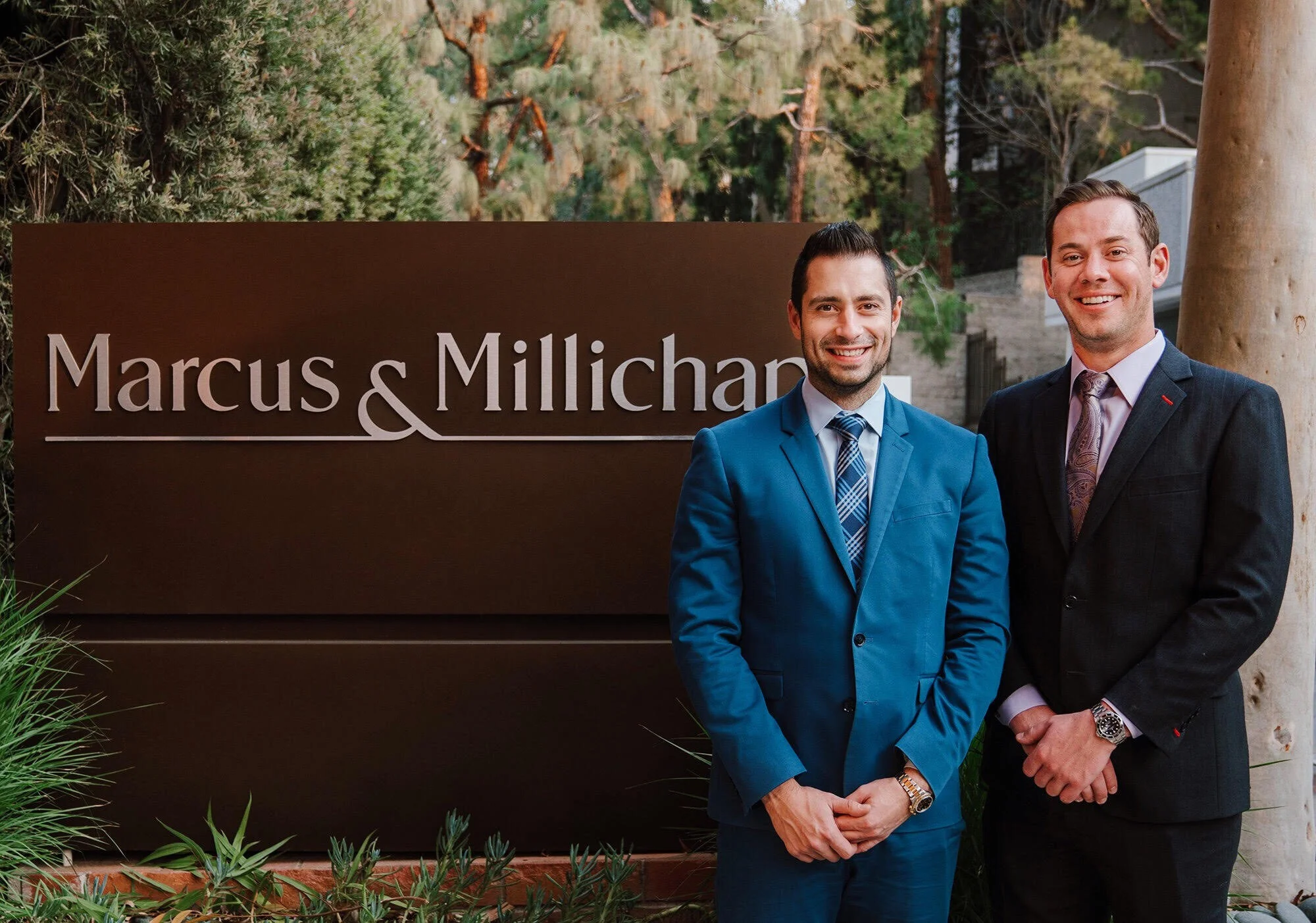
The LAAA Team of Marcus & Millichap, founded by Glen Scher and Filip Niculete in late 2018, is the #1 most active multi-family sales team in Los Angeles County two years running. In 2019, they took over the market with 55 closed transactions, $160M in sales, and 359 multi-family units sold, which quickly established the young team as a Los Angeles real estate powerhouse. Although 2020 has been a difficult year, they’ve weathered the storm with their agility, adaptability, and client-centered approach. They finished the year with 42 closed transactions, $122M in sales, and 304 multi-family units sold. Although less than their 2019 numbers, they still maintained the top spot in the most active agent rankings for 2020 as the entire market felt the impacts of COVID-19. As Glen Scher looks ahead to 2021, he is optimistic about the future of multi-family investment. 

Glen Scher and Filip Niculete met 6 years ago while working under the Marcus Millichap brokerage firm. The pair started out as junior agents and quickly rose the ranks to senior agents with junior teams of their own. Over the years, they formed a strong friendship and business relationship. By 2018, they both were experiencing success and decided to join forces to found LAAA. 2019 was a banner year for their team. 

“We’re both young, hungry and focused,” Scher explains, “I think the market responds to that.” 

When 2020 began, Marcus & Millichap had just wrapped their 5th record-breaking year in a row and the entire office was buzzing with anticipation over the year to come. Then, in March of 2020, COVID-19 radically altered the real estate landscape. At first, retail and office real estate was hit the hardest, but multi-family real estate soon began to feel the effects of the pandemic as well. 

“In a way, 2020 provided the perfect storm,” Scher explains. 

First, LA county enforced rent pardons, which meant that tenants legally did not have to pay their rent if they were unable. However, this decision was deeply detrimental to the thousands of landlords across the city. 

“Most people assume that the multi-family real estate in LA is owned by billionaires,” Scher says, “However, this isn’t the case. Most of the smaller 5-20 unit apartment buildings are owned by mom and pop investors that live off their rental income.” 

Although the renters no longer had to pay their landlords, the building owners still had hefty loan, mortgage and insurance payments due. This put a lot of owners in a really bad spot and they were forced to sell. For LAAA, it was more important than ever that they could support these sellers, properly market the properties, and broker fair deals even amid desperate times.

The absence of tenant rent affected the market in other areas too. Now investors were more reluctant to buy because they had no guarantee when rental income would return. To make matters worse, lenders were suddenly skittish and made it harder than ever to secure a loan. Finally, in October - November, the perfect storm reached its climax, when the outcome of Prop 21 hung in the balance. Prop 21 threatened increased local rent control for housing in Los Angeles County. While awaiting the results, many multi-family investors bided their time. Fortunately for investors, the proposition did not pass. 

As 2020 draws to a close, now 95% of tenants are paying their rent again and LAAA has seen a spike in activity as buyers are regaining their confidence in the market and taking advantage of the record low-interest rates. As Scher looks ahead to 2021, he anticipates a very hot first quarter as new buyers enter the scene in search of multi-family unit investments. By quarter 2, the majority of these deals will be closing. 

Glen Scher and Filip Niculete continue to prioritize their client-relationships. 

“Now more than ever, people need support and advice they can trust,” says Scher, “We are committed to advising in the best interest of our clients.” The pair continually return to their shared philosophy: “With a refined marketing strategy, years in the making, LAAA strives to optimize your transaction in three distinct ways: Exposure. Timing. Strategy.” 

Their decision to focus exclusively on multi-family commercial units has positioned them as experts in their industry. Furthermore, their marketing strategies are second to none, with a database of over 40K apartment investors and 10K brokers at their disposal, clients know they are receiving the best level of service and resources when they partner with The LAAA Team of Marcus & Millichap.


Glen ScherThe LAAA Team
FAQ Series

I have an offer already. Why should I list and market the property?

This is very common for owners of multifamily properties in Los Angeles county. Just like brokers who constantly call you trying to earn a listing, there are buyers out there who will solicit you in order to buy the property without the seller having a chance to market the property and sometimes without any broker representation at all. The allure of these “off-market” buyers is the perceived savings the seller will receive by not paying a broker’s commission. However, research proves that the desired result of a higher NET sales price by not paying for proper representation has the opposite effect on your NET sales price, and these savvy “off-market” buyers know that.

These sophisticated and aggressive buyers understand that it is not in their own best interest for the seller to list and market the property. They do not want to compete with the thousands of other buyers looking for the same type of investment, therefore, these “off-market” buyers very often will “tell you what you want to hear” in order to bind you into a legal contract. They will give you a great offer on paper so that you legally commit to their offer alone. All too often do we see this strategy from aggressive “off-market” buyers, that they will put a deal under contract, only to later re-negotiate price and terms since they will know there is no competition. Once they have a deal under contract, you are not legally allowed to negotiate with any other buyer, and therefore the buyer gains the upper-hand in future negotiations.

An important principal to understand is that negotiations do not stop after the original purchase agreement is signed. Negotiations are an ever-day thing when selling real estate (especially multifamily/commercial), and it is imperative that you have qualified and experienced brokers who have gone through hundreds and hundreds of transactions and how to keep a buyer to stick to the original agreement and not use his/her power to re-negotiate down the line.

Now, on the other hand, if you do choose to market the property, especially with the highest quality brokers like the LA Apartment Advisors, you will ensure that your property gets exposed to the masses. Remember, we are in Los Angeles! One of the most sought-after cities for real estate on the planet. There is a seemingly unlimited number of buyers out there who will want there shot at giving you an offer. By hiring a professional and trustworthy broker, you will maximize the amount of offers that you will receive, and in turn, you will achieve the “auction-like” environment that sellers seek which leeds to market leading and record-breaking sales prices.

Lastly, if you are selling your property in order to do a 1031 exchange, it is paramount for you to understand that the “terms” of the buyer’s offer is almost as important as the price. With proper broker representation, you can ensure that ultimate buyer we choose to accept has been properly vetted, with proof of funds and a schedule of real estate owned, and more importantly, the buyer has given us the most favorable terms possible to ensure a successful and stress-free 1031 exchange.

Key takeaway: “off-market” is “below-market”. When you are buying real estate, the best deals are often found off-market. When you are selling real estate, always market the property using experienced, skilled, and trustworthy representation!


Glen Scher
FAQ Series

I want to do a 1031 exchange, but I will not list my property until I find my replacement property first.

If I had a nickel every time I heard this….

I get it. Trust me I do. Since there are time limits to a 1031 exchange, it is only human to worry about

I have never come across a client who will argue the amazing benefit that a 1031 exchange can provide. Afterall, this 1954 tax code fundamentally changed the investment real estate world and is the most advantageous tax break that investment real estate can offer if utilized and planned correctly through the advisement of experienced and skilled representation. If this tax deferred exchange was never created, I may not be writing this explanation right now because this industry would be significantly smaller.

Unfortunately, too many property owners never “pull the trigger” on a 1031 exchange because they sit in waiting for the “perfect” exchange property before they will “risk” putting their property on the market for sale. Remember, for investment real estate, like multifamily, there is no “perfect” property. You are not buying a home to live in each day and raise your kids in, so there is no need for the property to be “perfect”; rather, we simply need to find a property that is better than your current property; depending on your personal investment goals, “better” can be in terms of higher cash flow, less management, better location, more units, higher quality building for future appreciation, new construction building, maximizing or minimizing leverage. So the first step in getting over the hump on committing to a 1031 exchange is letting go of the idea that there is a “perfect” exchange property out there. We simply need to find a better property than you currently have. And the good news is we are in Los Angeles, which is one of the most active markets in the country. This is how you grow.


Glen Scher
Explaining Single Tenant Triple-Net (NNN) Properties - The Popular 1031 Exchange Option

What is it?

These types of properties have only one tenant and are commonly free-standing buildings. This can be any type of tenant, big or small, but for almost all of our 1031 exchange clients, we will be looking at large corporation tenants like McDonalds, Walmart, Walgreens, Dollar General, 7-Eleven, Starbucks, etc..

What does triple-net mean?

Triple-net is a type of lease that is extremely common in these types of buildings. These leases state that ALL expenses and management duties fall on the responsibility of the TENANT, not the landlord. This means that the tenant will pay for everything and manage everything. This includes but is not limited to: roof and structure maintenance, insurance payments, property taxes, added insurance like earthquake and extreme weather insurance, any other maintenance of the property, etc.

The only expense that you would ever have on a triple-net property would be loan payments, if you decide to get a loan.

Literally, if the building burns down or is blown over by a hurricane, the tenant will be responsible to rebuild.

Types of guarantees on the leases:

Each one of these leases will be guaranteed by something or some entity. This can range from a single individual, to a franchisee with a few or many locations, or lastly it can be guaranteed by the entire corporation.

In most circumstances, it is recommended to find a lease guaranteed by the entire corporation. This makes it so the only risk of not collecting rent will be if the entire corporation declares for bankruptcy. In other words, if you bought a Taco Bell, and for some reason that tenant moves out of your location, Taco Bell corporation would be legally obligated to pay you rent for the remainder of the lease; even if they are not occupying the space anymore.

Sometimes it can still make sense to invest in a property that is guaranteed by a franchisee. This would only make sense if the franchisee owned many locations (10+), and that individual franchisee had very solid personal finances. Usually franchisee guarantees give you better returns.

Remember, the stronger the guarantee is on the lease, the lower the return with be (risk vs. reward).

Why are triple-net properties the most common 1031 exchange option for apartment owners?

The absolute most popular reason is simple: MORE CASH FLOW and ZERO MANAGEMENT

Since these buildings have inherently higher CAP rates (higher rates of return) than apartment buildings, in almost all cases, you will make more money each month by trading out of apartments and into NNN properties with the same amount of equity. In many cases, our clients’ cash flow can double, triple, or more!

An added benefit to trading into NNN would be the potential for a new depreciation schedule. In many cases, apartment building owners have owned their buildings for so long that they have run out of deprecation or are close to the end of the depreciation life. Therefore, with an exchange into NNN, you would not only increase your cash flow, but you could also decrease your tax payments!

Going out of state:

Since these types of properties are everywhere and in every city throughout the nation, it is very common that the correct property for your exchange will be out of California.

•     Yes, going out of state can be nerve-wracking since it is something that you are not used to. Luckily, Marcus & Millichap is the largest commercial sales company in the nation and we have the research to back it up.

•     With every investment opportunity, you will be given the following:

>     Demographic report and expected population growth (we want to know there are enough people living in a particular area to keep your tenant in business)

>     Median Household Income (it is always best to go into markets where the median income is the highest)

>     Traffic counts (you want a very high traffic count on the street that your building is located)

>     National tenants nearby (you want your property to be on a dense retail corridor that has other national tenants on the same block or close by; this proves that the location is desirable)

•    If an investment opportunity shows good numbers on the preceding 4 investment criteria, you can be very comfortable that your tenant will stay in business and thrive. If for some reason that tenant moves out, you will then be comfortable that you will be able to re- tenant the building due to the good underlying essentials of good real estate… Location, Location, Location.


The “Amazon Effect” or “Internet Effect”:

Yes, the world is ever-changing and we have seen many examples of huge companies going bankrupt due to this change to the internet, but physical retail will never go away. You will simply need to be smart when picking the best tenant type to invest in.

When we are looking for the best property for you, we will be looking at tenants that we feel are “internet proof”. In other words, tenants that will always need a physical presence.

Here are some examples:

•    Fast foods – these are never going away in America. Also, fast foods thrive in recessions.

•     Medical places –Dialysis Centers and Drug Stores will also have to have a physical presence

>     Popular Examples: Walgreens, CVS, DaVita Dialysis

•     Car Mechanics – people will always have to physically bring their cars in for service

>     Popular Example: Caliber Collision

•         Gas Stations – As long as there are cars, there will be gas stations.

•     Sit down restaurants – while these are not as safe as fast food, restaurants will always be around. You just need to familiarize yourself with the particular restaurant you want to invest in to make sure that is a store that is there for the long run

>     Popular Examples: Bojangles, Red Lobster, IHOP, Arby’s, Buffalo Wild Wings, Chili’s, etc.

•     Convenience Stores – these discount stores will always be around and thrive in recessions

>     Popular Examples: 7-Eleven, Dollar General, Dollar Tree, 99 cent stores, etc.

The lease is not long enough:

Yes, it is true that some sellers of these NNN properties are selling when the lease is near the end of the term. When picking your best property, we will avoid these types of listings.

Luckily, you are dealing with the #1 commercial broker in the nation, Marcus & Millichap. Since we have more inventory than all of our competitors, we can be sure to match you up with a property that has a lease of a minimum of 10 years remaining, but preferably 15 to 20 years remaining on the guaranteed lease.

Our favorite two types of investments would be… 1) Brand new construction with brand new 15- or 20-year lease, or 2) Tenant that just renewed a 15- or 20-year lease after long operating history at that location.

Glen Scher
Just Closed | 22 Units | Santa Monica

$10,100,000 - $551/SF - $459,091/Unit

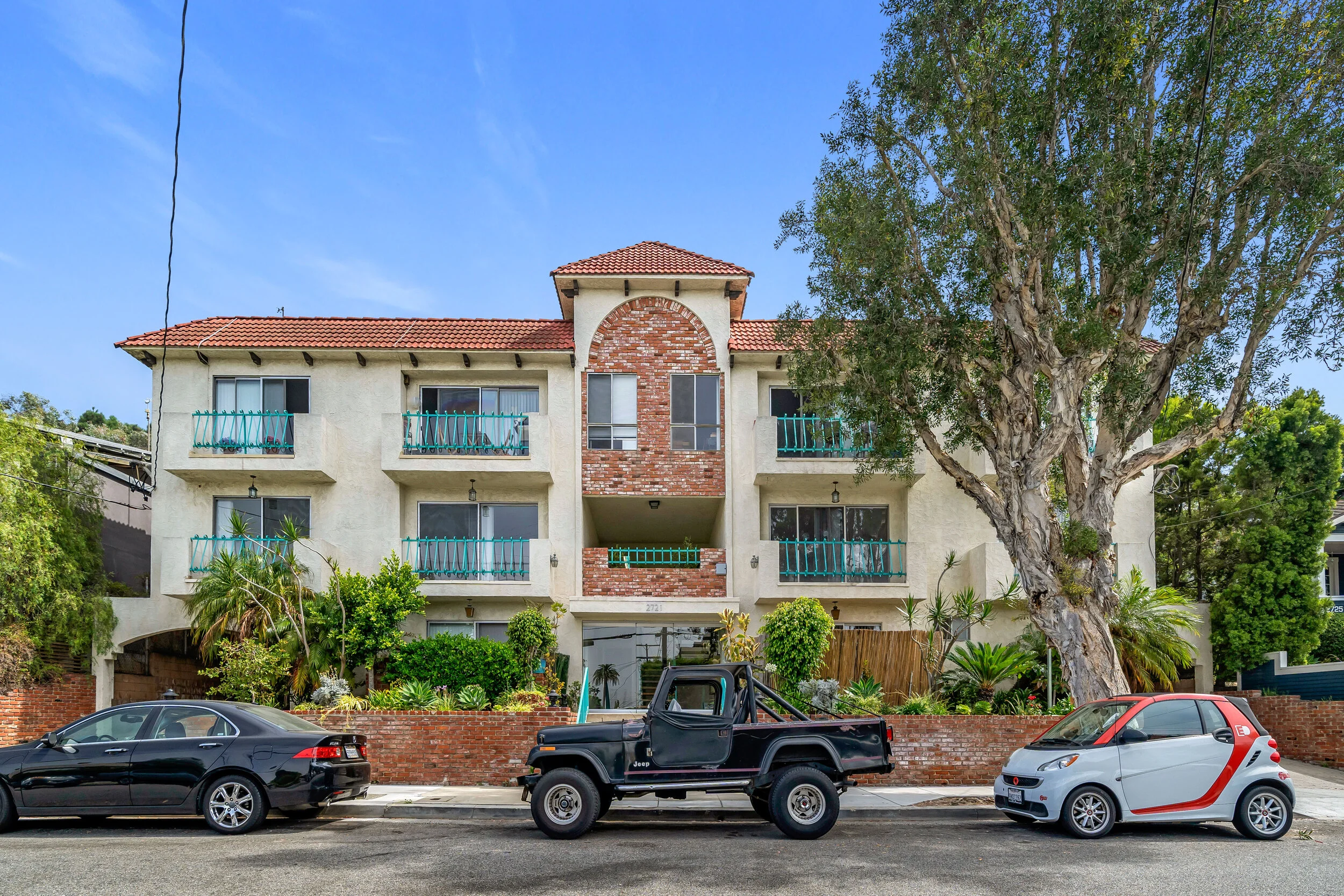
The LAAA Team of Marcus & Millichap is proud to announce the successful sale of 22 units located at 2721 6th Street, in Santa Monica, California. Built in 1971, the asset sits on 13,499 square feet of land with 18,306 square feet of rentable area and boasts a great unit mix of 2-Bedroom / 2-Bathroom, 1-Bedroom / 1-Bathroom and Studio / 1-Bathroom units.

This well maintained property is located only 6 blocks away from the world-famous Santa Monica and Venice beaches. While some of the units enjoy striking views of the beach, this property also offers a charming roof top that gives all tenants access to the beautiful Pacific Ocean views. This property offers the tenants secured garaged parking with a total of 28 parking spaces and plenty of permitted city parking for their guests. 4 out of 22 units were delivered vacant at the time of the sale. Some of the units have washer and dryers in unit with the opportunity to add value by installing washer and dryers into the remaining units. The Seller was already under contact on a property out of state that was increasing his cash flow significantly. In order for them to close on their upleg on-time we had to close escrow a few days early on their downleg. We were able to achieve this timeline and successfully closed in a timely manner.

Through our superior marketing platform, we were able to generate multiple offers in a very short amount of marketing time and opened escrow after only 15 days of marketing this listing. The winning Buyer was a local investor who earned the deal through his competitive terms of his offer. The buyer was able to lock in favorable financing terms with 3.10% interest rate. Buyer intends to keep the property long term and capture the future upside in one of the most sought after rental markets in Los Angeles County.

For more information about this transaction or a complimentary evaluation for your property and to examine your 1031 exchange options, give us a call today!

SpecialGlen Scher
44138 Beech Ave | Lancaster

Price: $560,000

Close of Escrow: 2/2/2016

Units: 10

Cap: 7.61%

GRM: 8.20

Price/Unit: $56,000

Price/SqFt: $98.31

Download OM

Verge Collective
14419 Riverside Dr | Sherman Oaks

Price: $2,050,000

Property Type: Land Development

Close of Escrow: 1/16/2019

Units: 12 Buildable

Price/SqFt: $157.72

Zoning: LARD 1.5

Lot Size (SF): 12,998

Download OM

Verge Collective
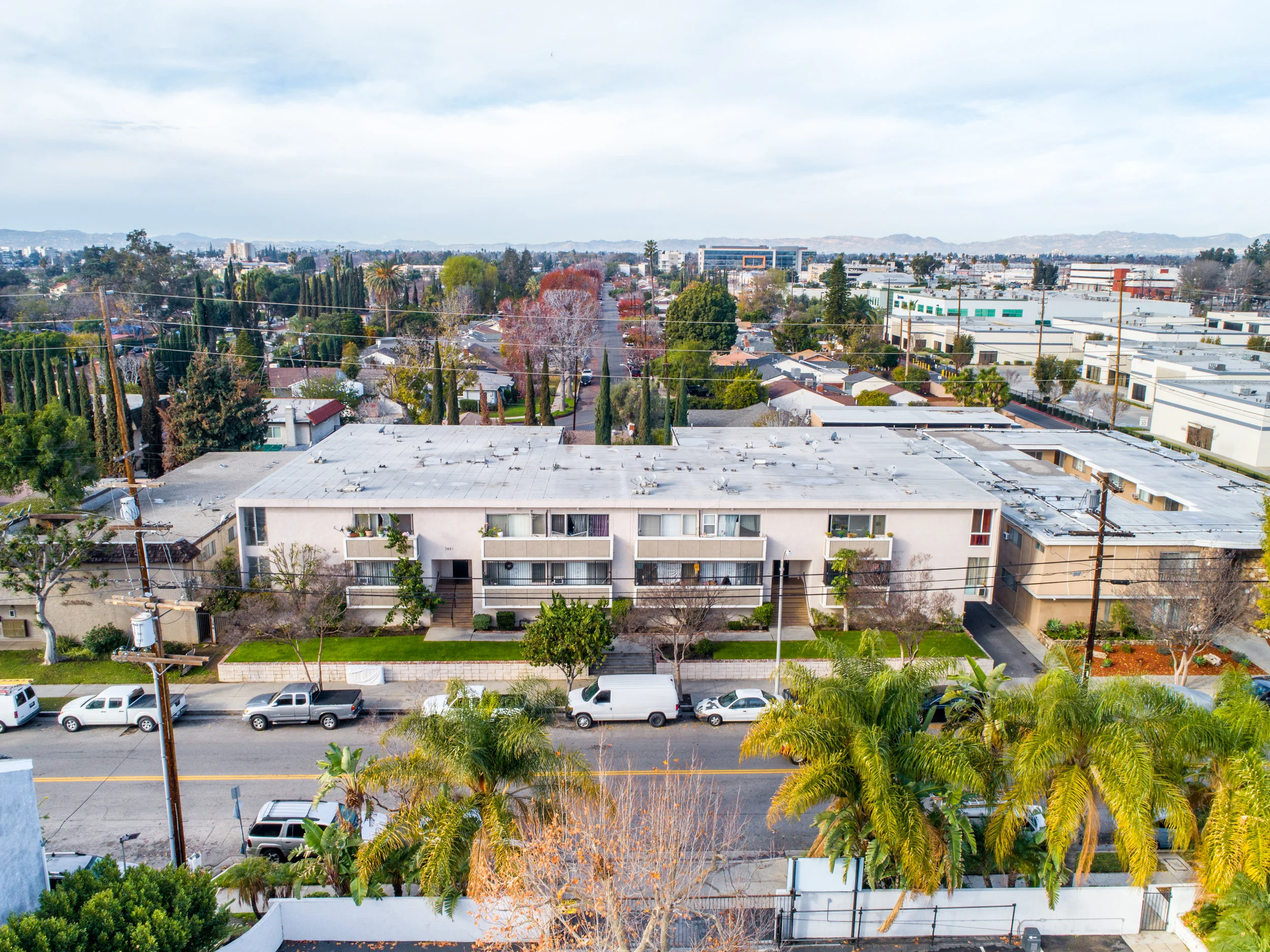
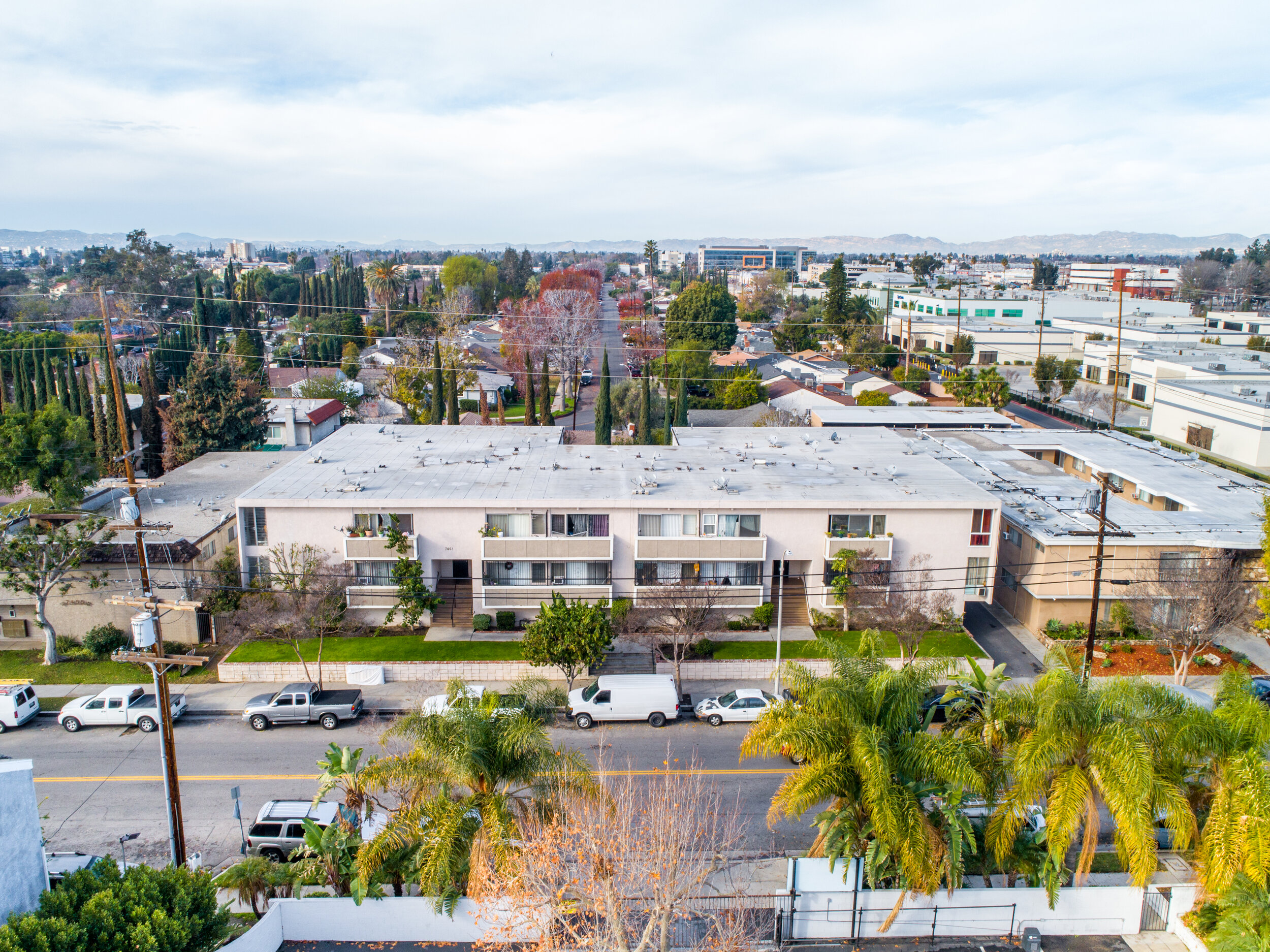
7461 Hazeltine Ave | Van Nuys

Price: $4,350,000

Close of Escrow: 3/29/2019

Units: 29

Cap: 4.40%

GRM: 12.78

Price/Unit: $150,000

Price/SqFt: $226.41

Download OM

Verge Collective
8762 Etiwanda Ave | Northridge

Price: $6,950,000

Close of Escrow: 2/1/2019

Units: 29

Cap: 4.94%

GRM: 14.45

Price/Unit: $239,655

Price/SqFt: $358.43

Download OM

Verge Collective
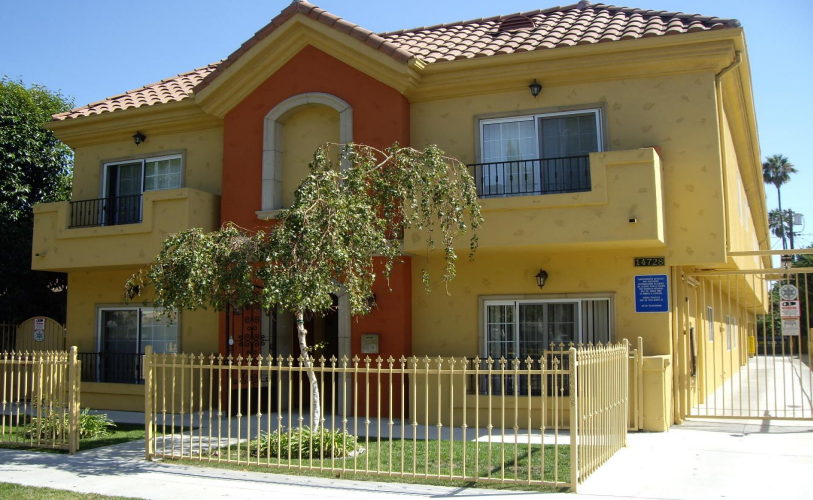
14728 Sylvan St | Van Nuys

Price: $1,400,000

Close of Escrow: 11/14/2013

Units: 7

Cap: 5.61%

GRM: 12.93

Price/Unit: $200,000

Price/SqFt: $182.15

Download OM

Verge Collective
238 S Avenue 21 | Lincoln Heights

Price: $780,000

Close of Escrow: 11/24/2014

Units: 10

Cap: 7.07%

GRM: 9.45

Price/Unit: $78,000

Price/SqFt: $167.27

Download OM

Verge Collective
10717 Bloomfield St | North Hollywood

Price: $1,100,000

Close of Escrow: 1/11/2016

Units: 4

Cap: 3.47%

GRM: 17.12

Price/Unit: $275,000

Price/SqFt: $341.19

Download OM

Verge Collective